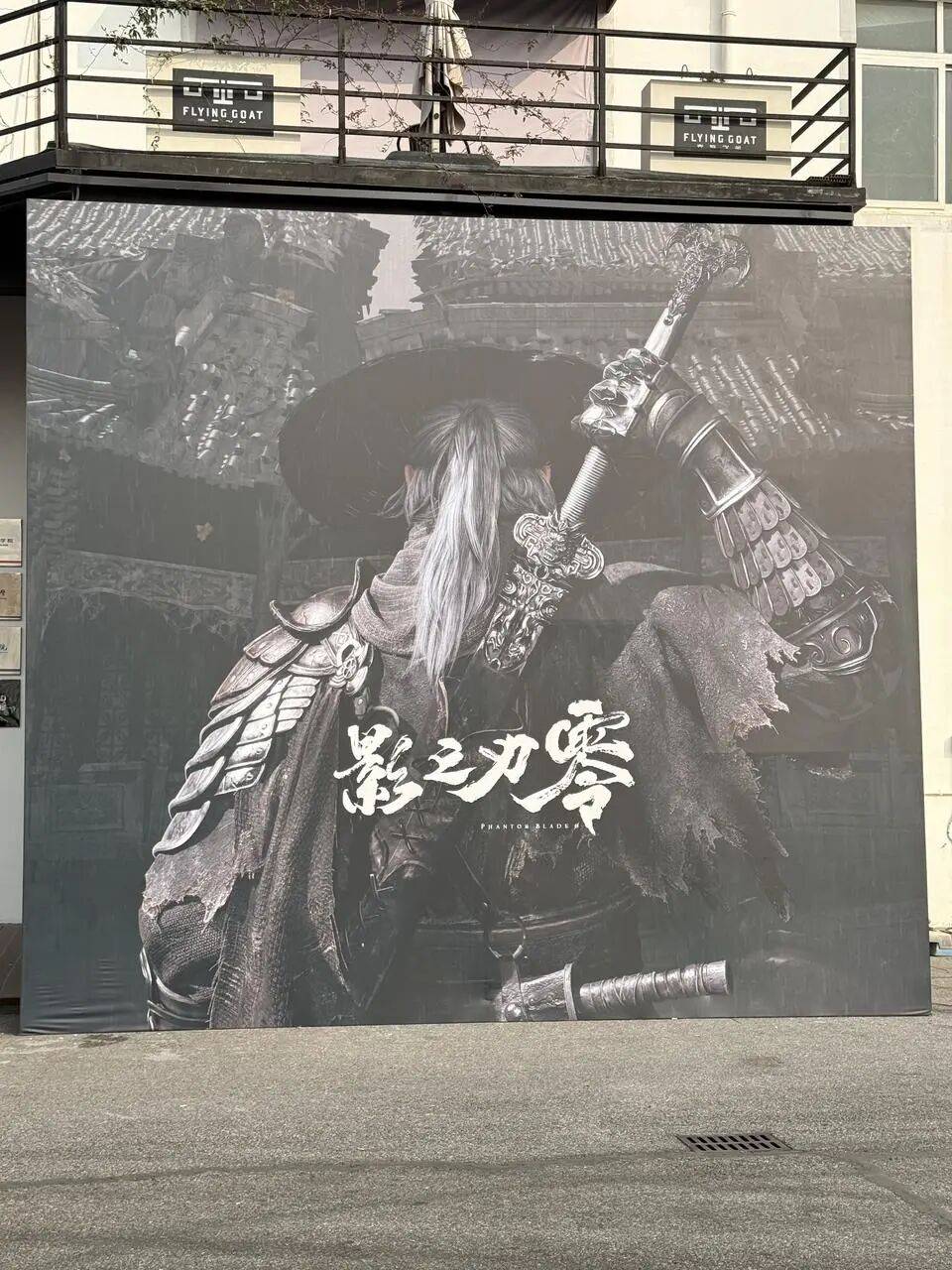
Producer interview: Phantom Blade Zero wants wuxia action that reads for a global audience
In a Sohu interview, Liang Qiwei says great action reads across cultures, and the team is translating Chinese martial rhythm into a clear, readable combat language.
Sohu published a long interview with producer Liang Qiwei after The Game Awards 2025, covering creative intent, combat design, narrative reconstruction, and how Phantom Blade Zero communicates “wuxia‑punk” action to a worldwide audience.
Interview format
Q: Where was the interview and what was shown?
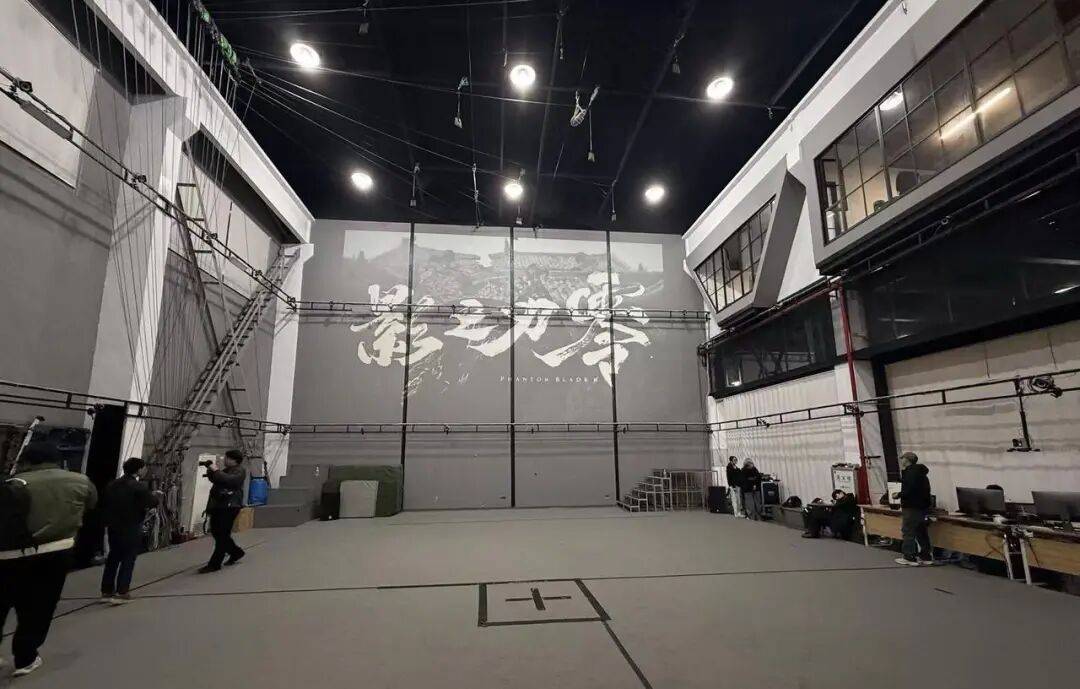
A: It took place in the team’s Shanghai motion‑capture studio shortly after the September 9, 2026 release date reveal. Sohu describes infrared sensors and wire‑rig equipment filling the room, with previously unseen footage shown as the team discussed presenting “Chinese action” in a modern, readable form.
Q: How do you animate non‑human enemies like “Senior Brother”?
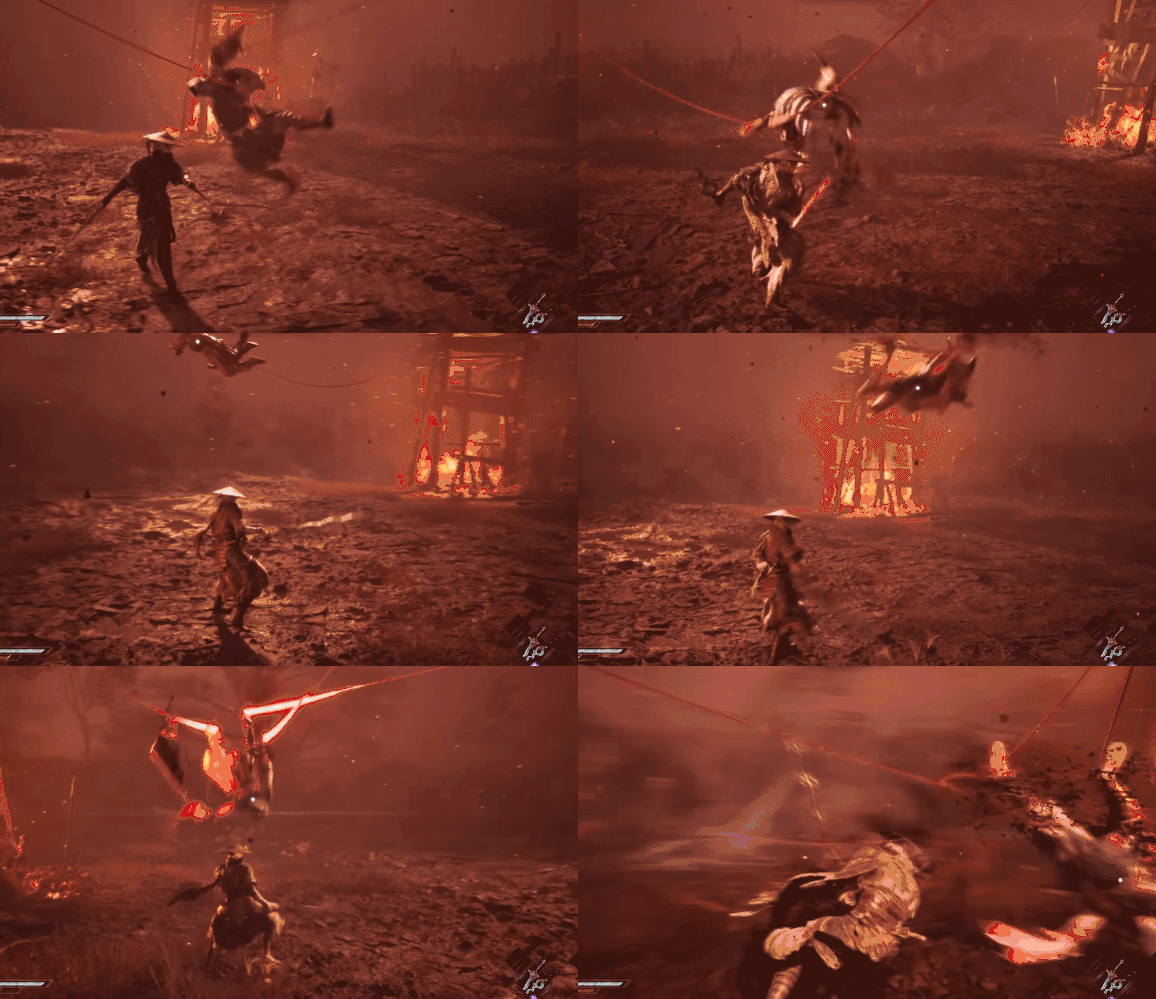
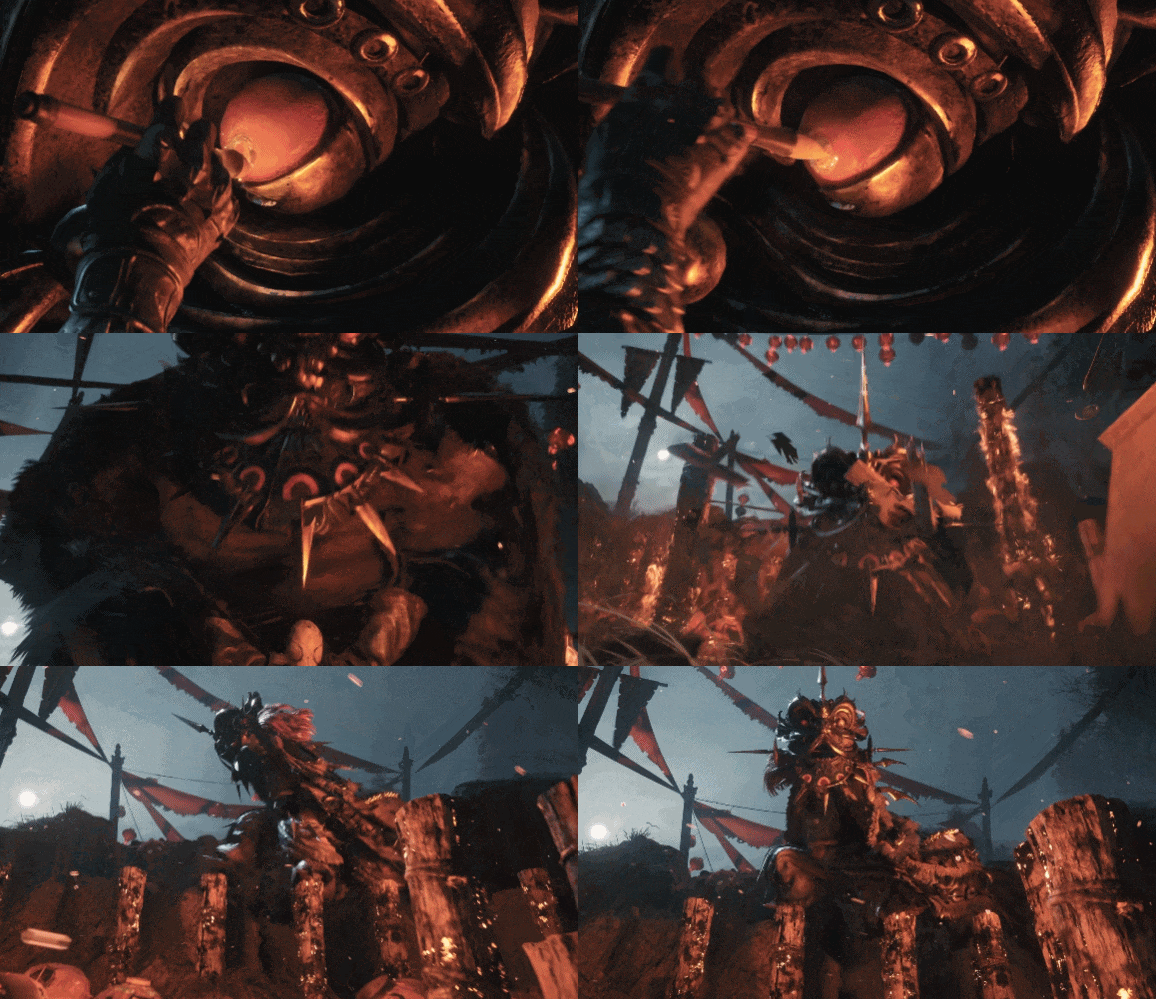
A: Liang says the core difficulty is that such monsters are hard to capture directly with mocap. The rule is: if it looks human, use mocap; if it doesn’t, exaggeration and hand‑authored animation increase, but the motion still needs a believable “human force” logic underneath.
A: Even hanging, inhuman enemies can start as mocap: a martial artist is suspended on wires, guided by a rigging team to create real movement arcs. Animators then push the motion into non‑human proportions while keeping the sense of weight and force.
Q: How is wuxia combat different from Japanese sword‑style action?
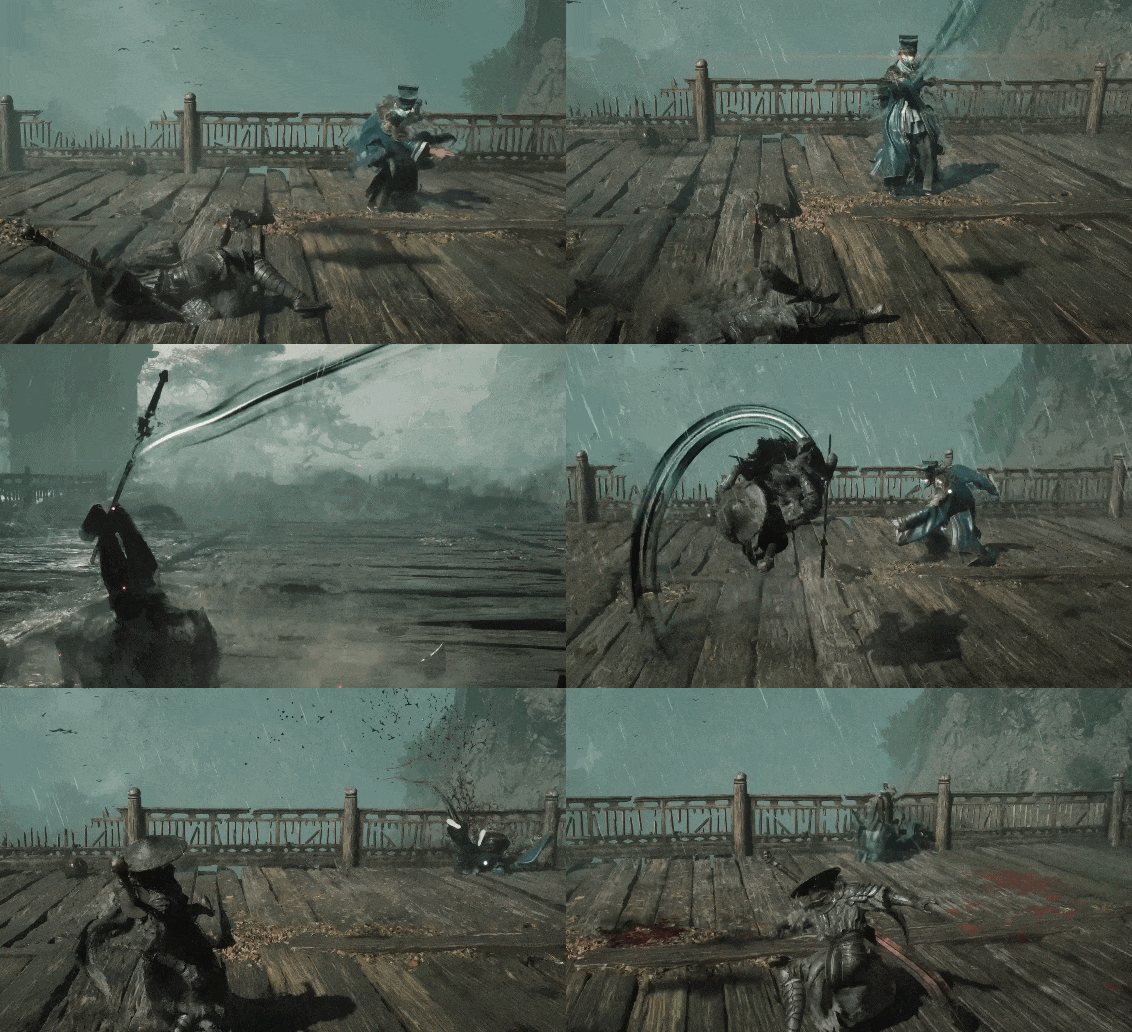
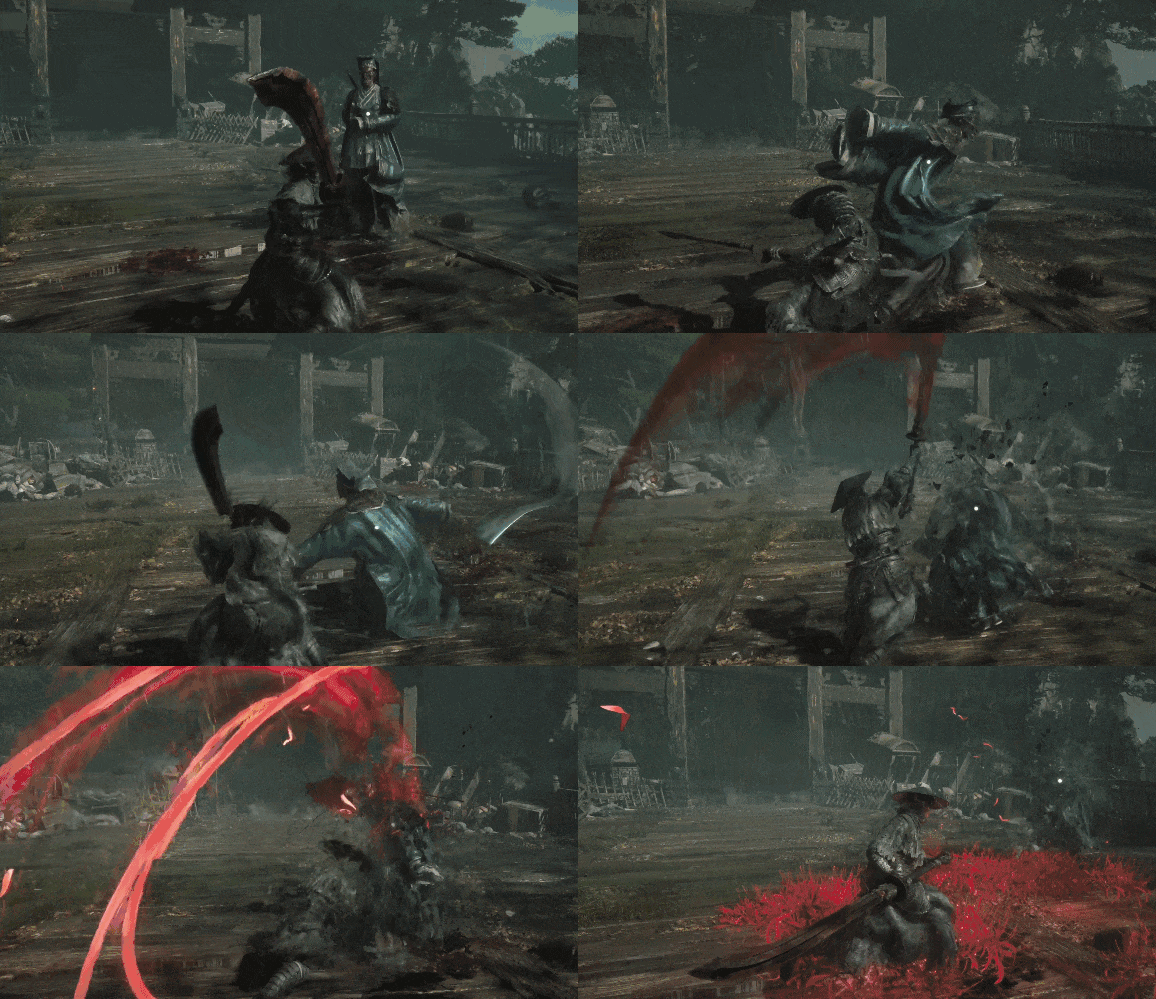
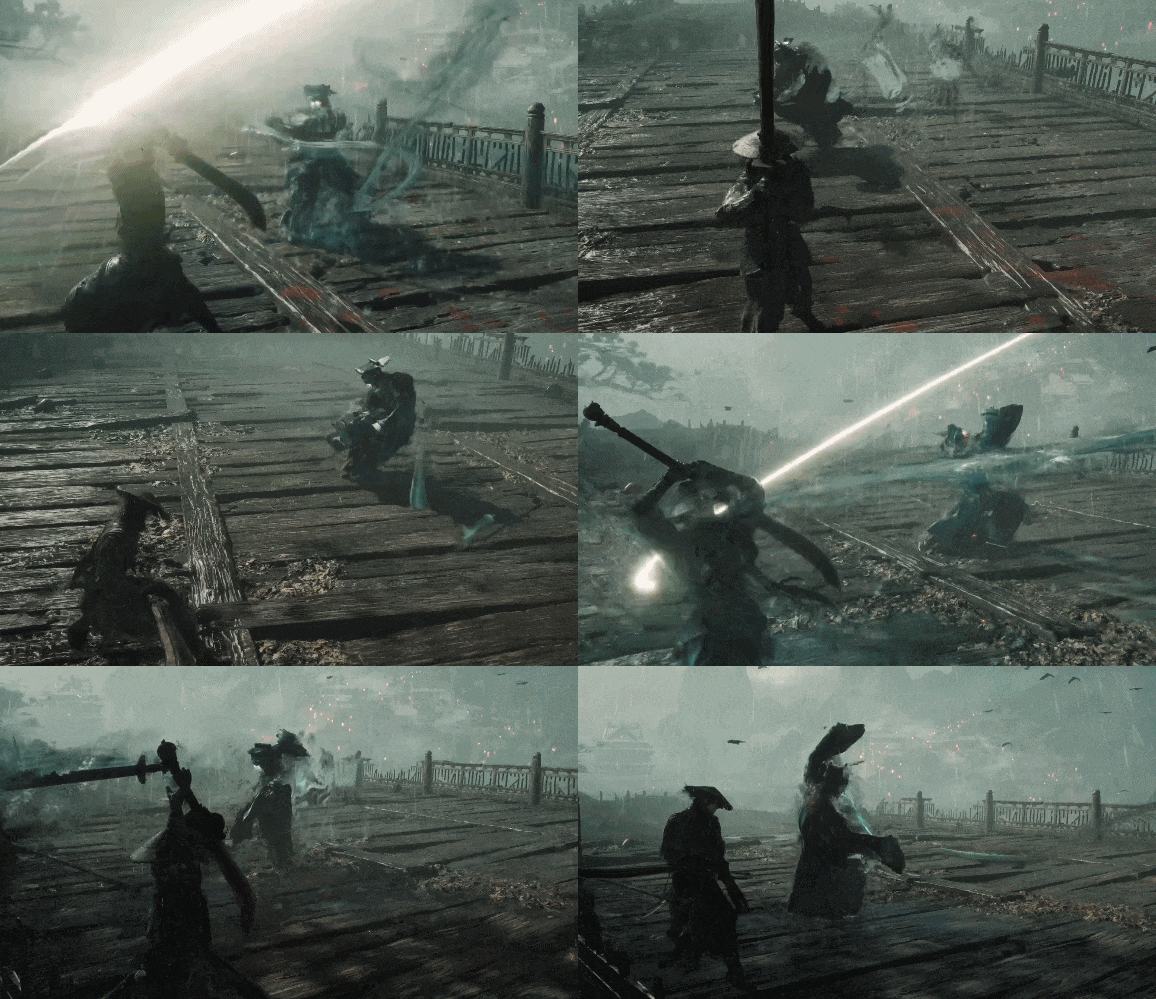
A: Liang contrasts Chinese martial logic with Japanese sword‑based action. Japanese systems often emphasize clear attack/defense “beats,” while wuxia is fast, continuous, and interwoven. A thin sword hard‑blocking a massive blade “doesn’t make sense,” so defense is built around redirection and unloading force rather than vertical clashes.
A: The guard system reflects this: even holding block triggers angled deflections and micro‑counter motions, with weapon contact forming obtuse angles that shed incoming force. The aim is to recreate the “answering force with force” rhythm of wuxia exchanges.
Q: What makes the lion dance boss unique?
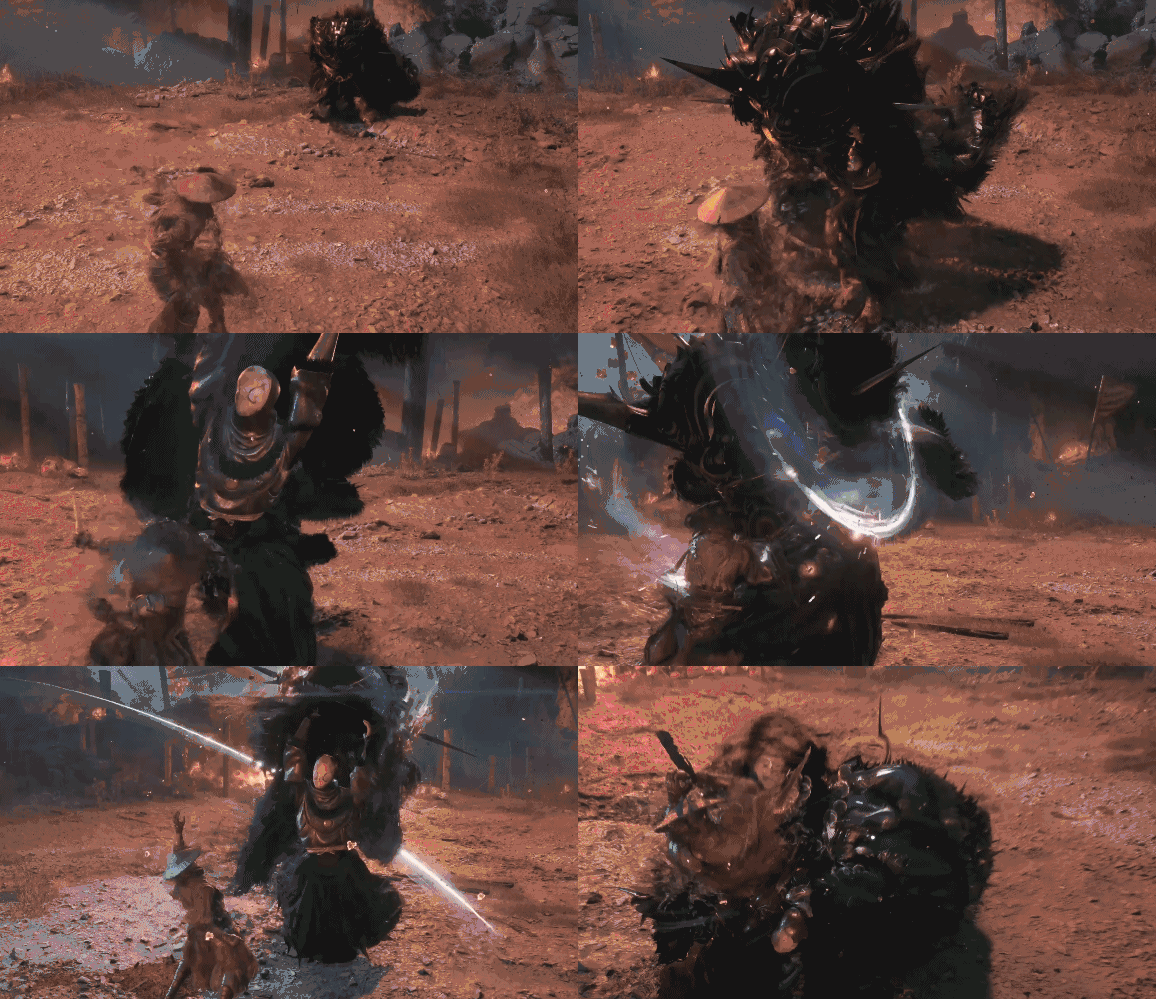
A: The creature has to feel like a beast and two people at once. The body should move like a quadruped, but details — such as human legs in the rear or the inertia of one performer lifting the other — must read as distinctly human. The “between‑ness” is the point.
Q: How are weapons and special styles handled?
A: Some weapons are expressed through mechanics, others through “performance.” The soft sword emphasizes deflection and being hard to block. The mo‑dao (heavy blade) leans into military‑style, big‑arc strikes and even kicks into the hilt.
A: For complex styles like the “drunken sword,” where trajectories are too unpredictable for timing‑based defense, the team uses executions or cinematic parry follow‑ups so the fantasy lands through choreography.
A: Liang stresses that each weapon gets a complete, coherent motion set, built from inside‑out and outside‑in, so the final system does not resemble any single existing action game.
Q: How is the story being rebuilt from Rain Blood?
A: Liang says the rewrite follows three standards. First, preserve the original tone: love and hate, cruelty mixed with hope. Second, modernize wuxia — not by repeating old tropes, but by re‑examining what chivalry, loyalty, and sacrifice mean for contemporary audiences. Third, globalize the emotional logic so the story reads internationally, similar to how Japanese anime carries local themes through universal feelings.
Q: Will global players understand “kungfupunk”?
A: Liang argues there is no need to worry if the game is good enough. The team positions Phantom Blade Zero as a “kungfupunk” original IP, mixing ancient architecture with steam‑era machinery and airships. That visual contradiction is meant to feel striking rather than alien, giving international players a fast, intuitive way into the world.
Q: What about length, map structure, and casting?
A: He estimates the main story at just over 20 hours, but says side quests, multiple endings, and end‑game content can extend it significantly, with optional content tied to the best ending.
A: The map is not open‑world and not a pure linear list. Instead, areas connect seamlessly, and players can walk into new regions with branching side routes and larger detours.
A: On casting, the team now prefers actors who are also game players. Liang says newer, game‑literate actors understand production needs better; their real facial features are kept to avoid over‑beautification and to support a grounded, realistic look.
Q: What was the producer’s closing tone?
A: Liang describes the project as something that still has to be “served on the table to be tasted.” The excitement of the TGA stage has given way to a calmer, more pragmatic focus on finishing the long journey.