Exploration and Progression Guide
Summary
Map logic
Official messaging points to multiple handcrafted semi-open maps. Hands-on coverage adds that areas can include side paths, shortcuts, blocked routes, and reasons to return later.
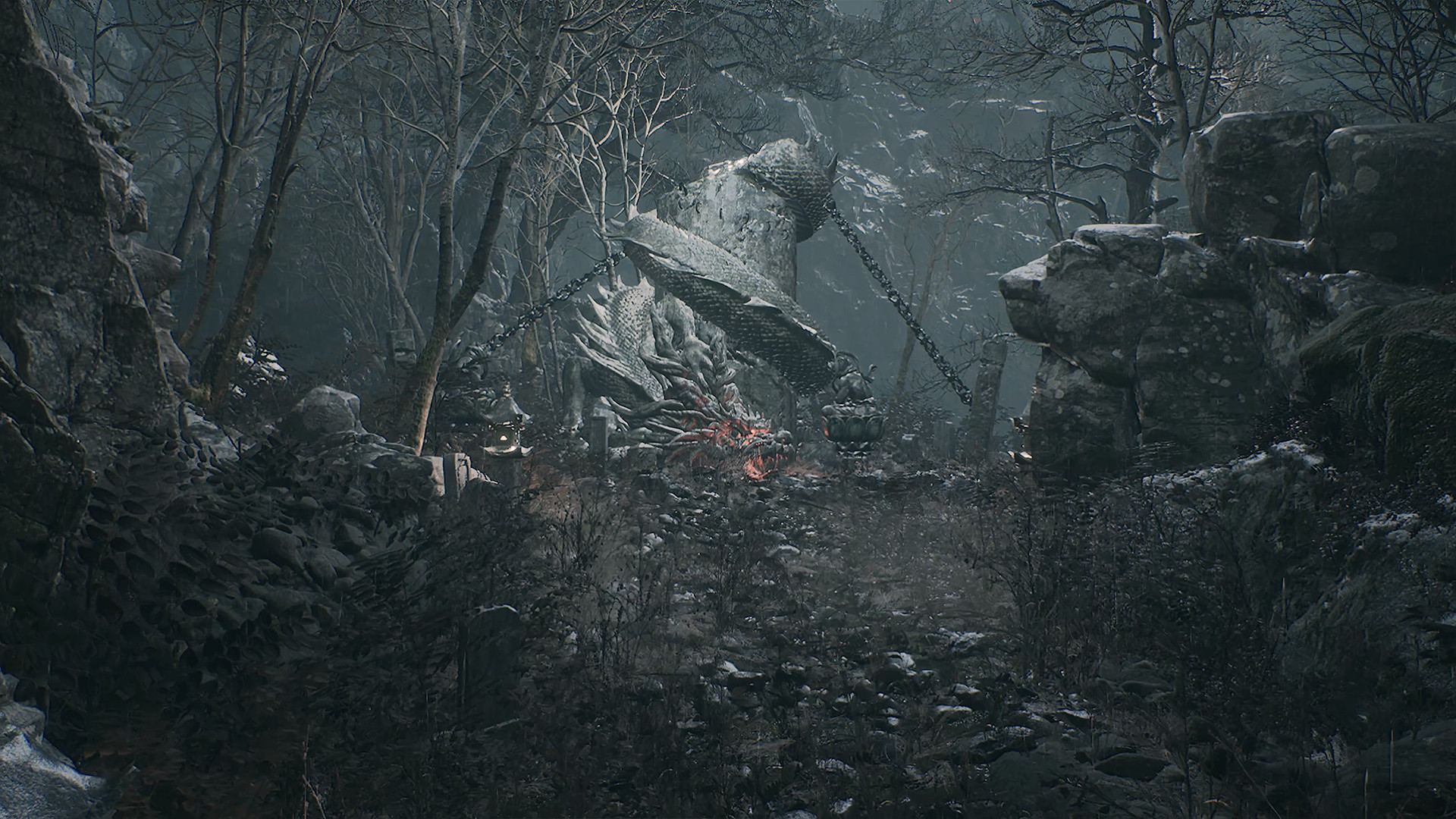
Tool gates
PC Gamer describes Coppermaul dropping a huge sledgehammer that opens blocked paths. This suggests some special weapons or tools double as exploration keys.
Growth logic
The previewed structure does not rely on XP leveling. Look for weapons, upgrades, and health or stamina-like gauge improvements instead.
Practical checklist
- After a miniboss, check whether the reward opens old routes.
- Revisit branches after acquiring a new Phantom Edge or heavy tool.
- Do not judge progression only by character level; watch arsenal growth.
What to map after launch
- Checkpoints, shortcuts, and one-way drops.
- Locked paths and the tool or weapon that opens them.
- Minibosses, optional bosses, and whether they disappear or move after choices.
- Upgrade materials, health or stamina-like gauge items, and repeatable pickups.
- NPC quest steps, especially if doing nothing can change an outcome.
Why no-XP progression changes routing
If there is no traditional XP grind, route value comes from new capabilities instead of raw levels. A detour is worth taking when it gives a weapon, opens a shortcut, increases a gauge, or unlocks a tool gate. A detour is less urgent when it only leads to a fight whose reward is unknown in the current build.