Combat Basics: Read the Rhythm
Summary
Start with defense
Public demos repeatedly mention that holding block can deflect many attacks. This is the entry point: block first to understand enemy cadence, then shift into timed parries when you can read the hit.
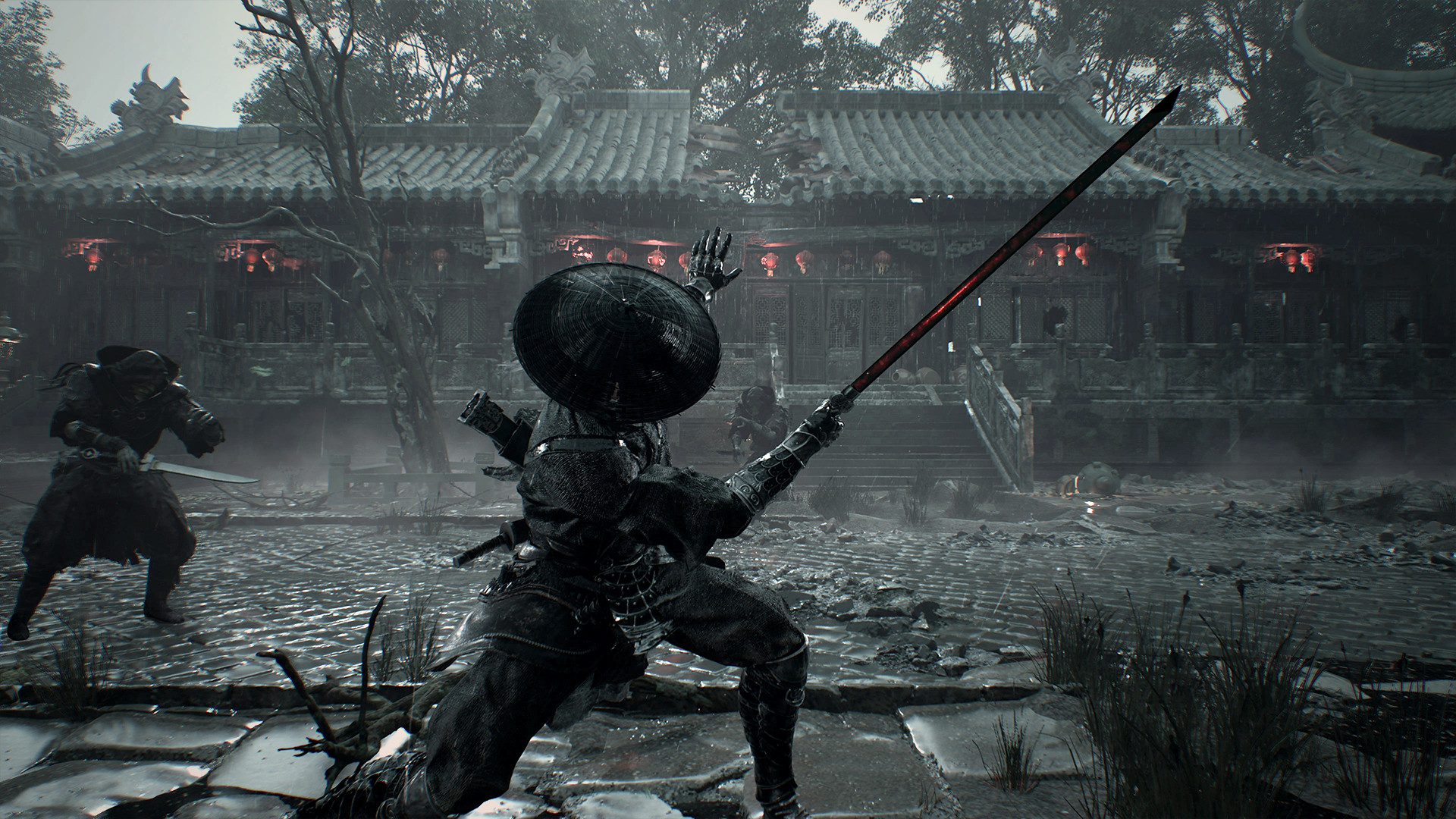
Separate parry checks from dodge checks
Some attacks reward parry timing; others need a last-second dodge. PC Gamer describes blue Brutal attacks that punish blocking but reward parries with Ghoststep, and red Killer attacks that cannot be blocked or parried but can be dodged into Ghoststep.
Watch your resource pressure
Sha-chi is described as a stamina-like resource. If a boss keeps forcing heavy block drain, change the plan: learn the parry window, switch to a safer weapon, or create space with a special tool.
Do not mash through wuxia clashes
The animation style includes attack-on-attack clashes that can look like incoming hits. React to meaningful cues instead of every flourish, especially with longer weapon animations.
Practice routine for new players
- First pass: hold block often and learn where enemy strings actually end.
- Second pass: parry only the attacks that have clear timing, and accept that some animation flourishes are not meant to be answered.
- Third pass: identify attacks that must be dodged, then practice triggering Ghoststep from dodge timing.
- Fourth pass: change weapons and repeat the same fight, because weapon recovery and parry hooks can change what feels safe.
Common mistakes
- Treating the game like a pure dodge-only action game and ignoring block access.
- Treating the game like Sekiro and trying to parry every visible movement.
- Using a slow or risky weapon in group pressure without a spacing tool.
- Believing demo difficulty tuning is final; timing windows and resource costs can still change before launch.